Menu
Your cart is empty
Looks like you haven't added anything to your cart yet

Booster Pumps
Availability
Type
Voltage
GPM
Pump Boost
Price
$0
$42,880
Residential Water Pressure Booster Pump System for Homes


A.Y. McDonald
Residential Water Pressure Booster Pump System for Homes
- Price
- From $1,788.12
Booster Pump | E-Series | Water Pressure System
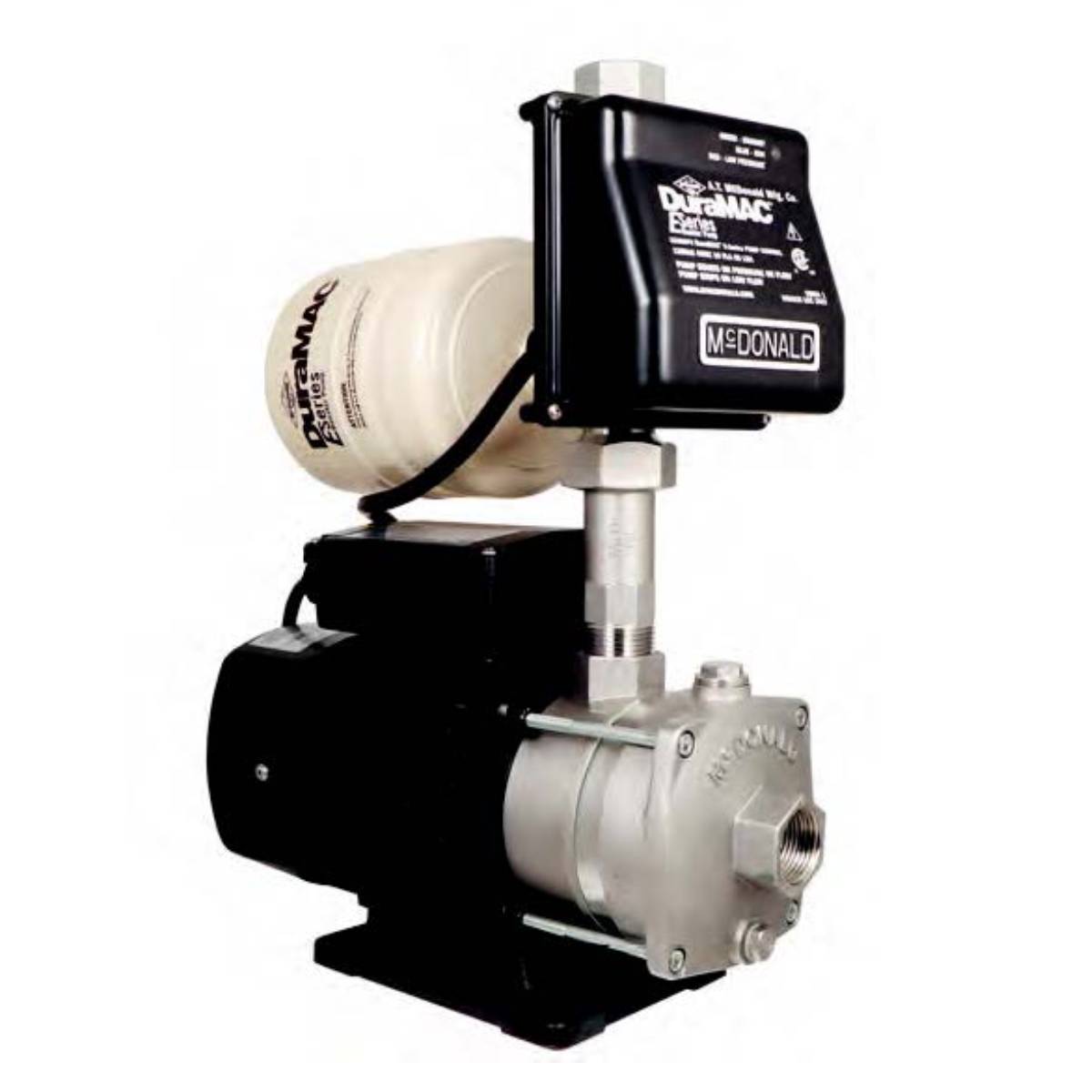
A.Y. McDonald
Booster Pump | E-Series | Water Pressure System
- Price
- From $1,248.52
Booster Pump | Light Commercial | Water Pressure System
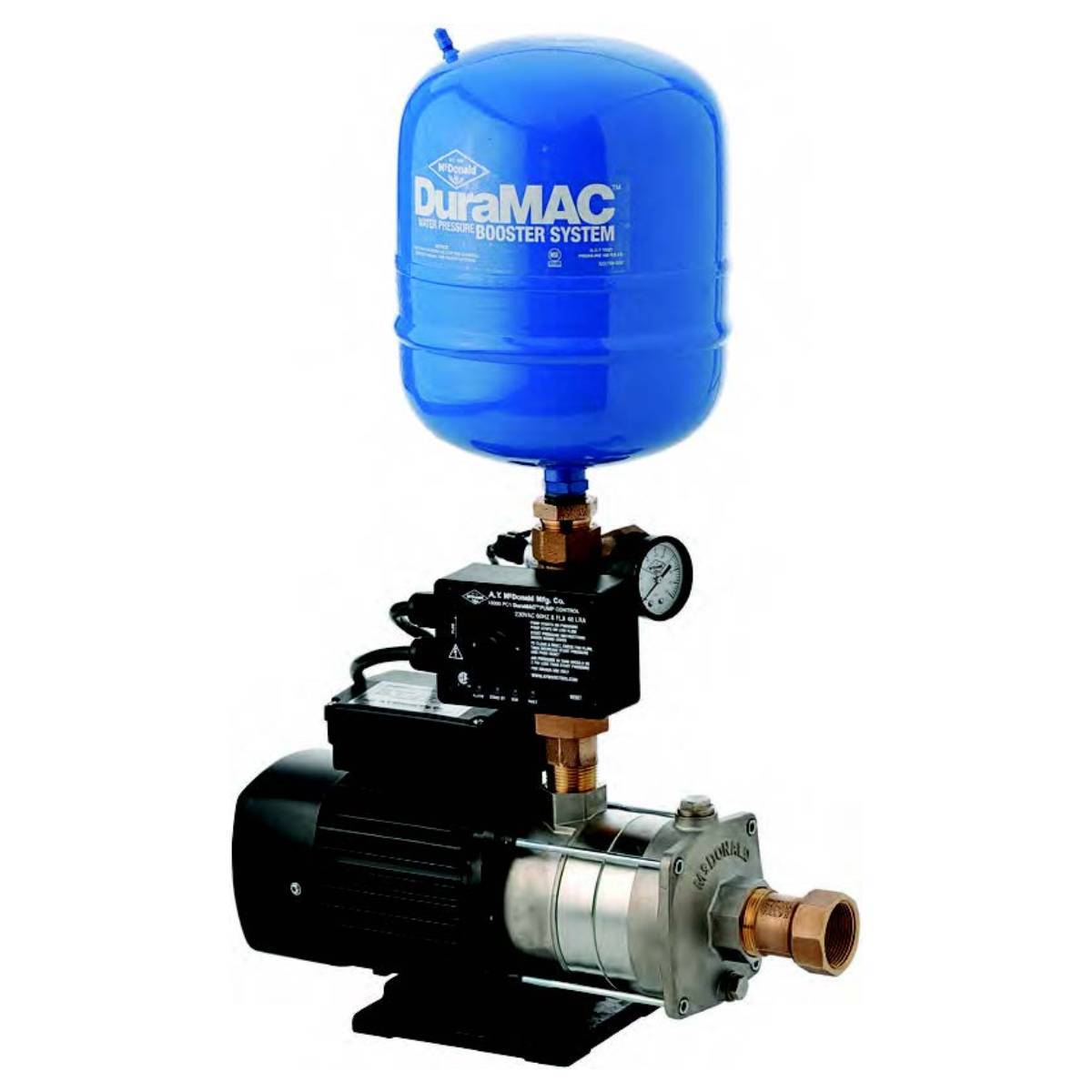
A.Y. McDonald
Booster Pump | Light Commercial | Water Pressure System
- Price
- From $2,322.09
Booster Pump | Dual-Mode Duplex | Commercial
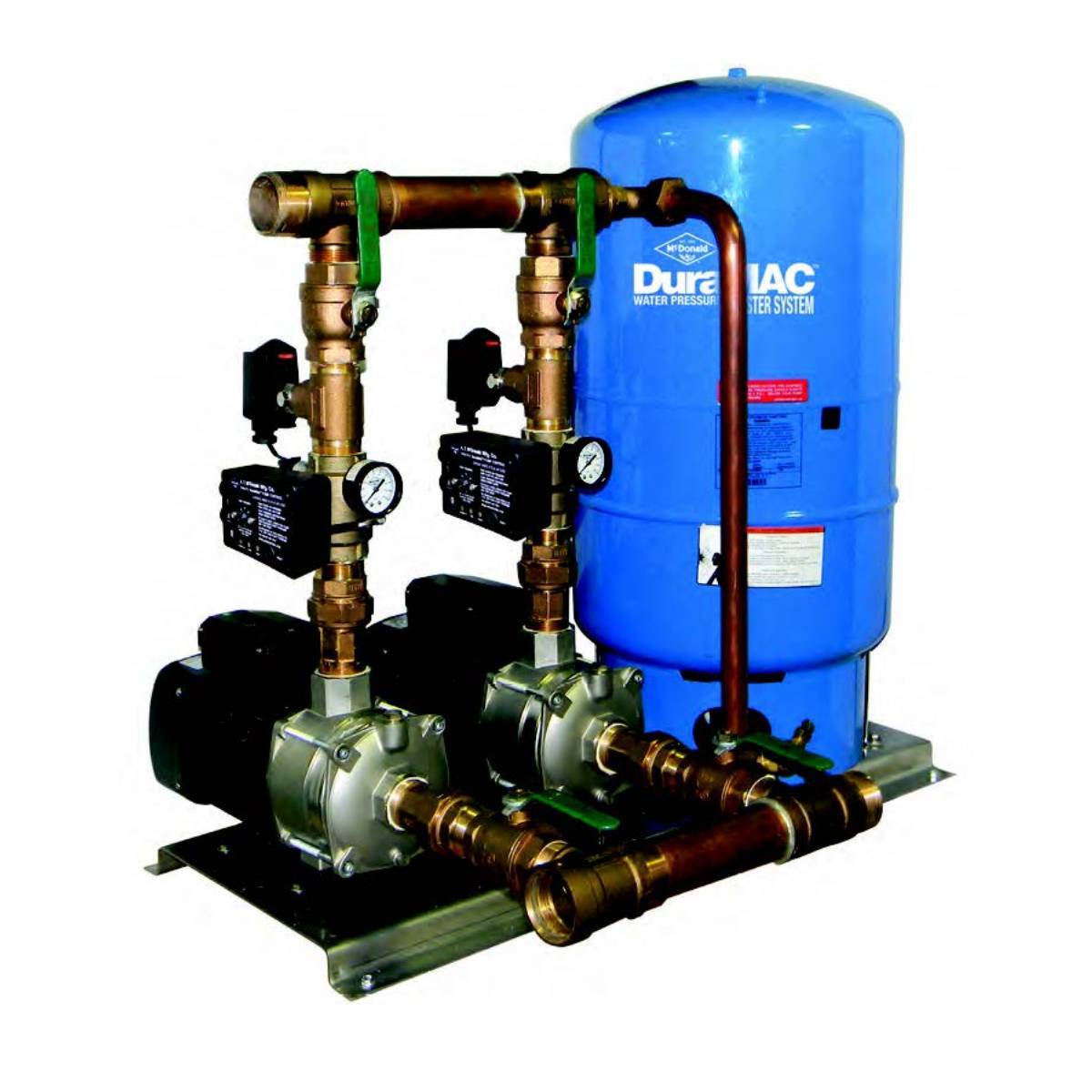
A.Y. McDonald
Booster Pump | Dual-Mode Duplex | Commercial
- Price
- From $12,832.86
Booster Pump | Dual-Mode Simplex | Commercial
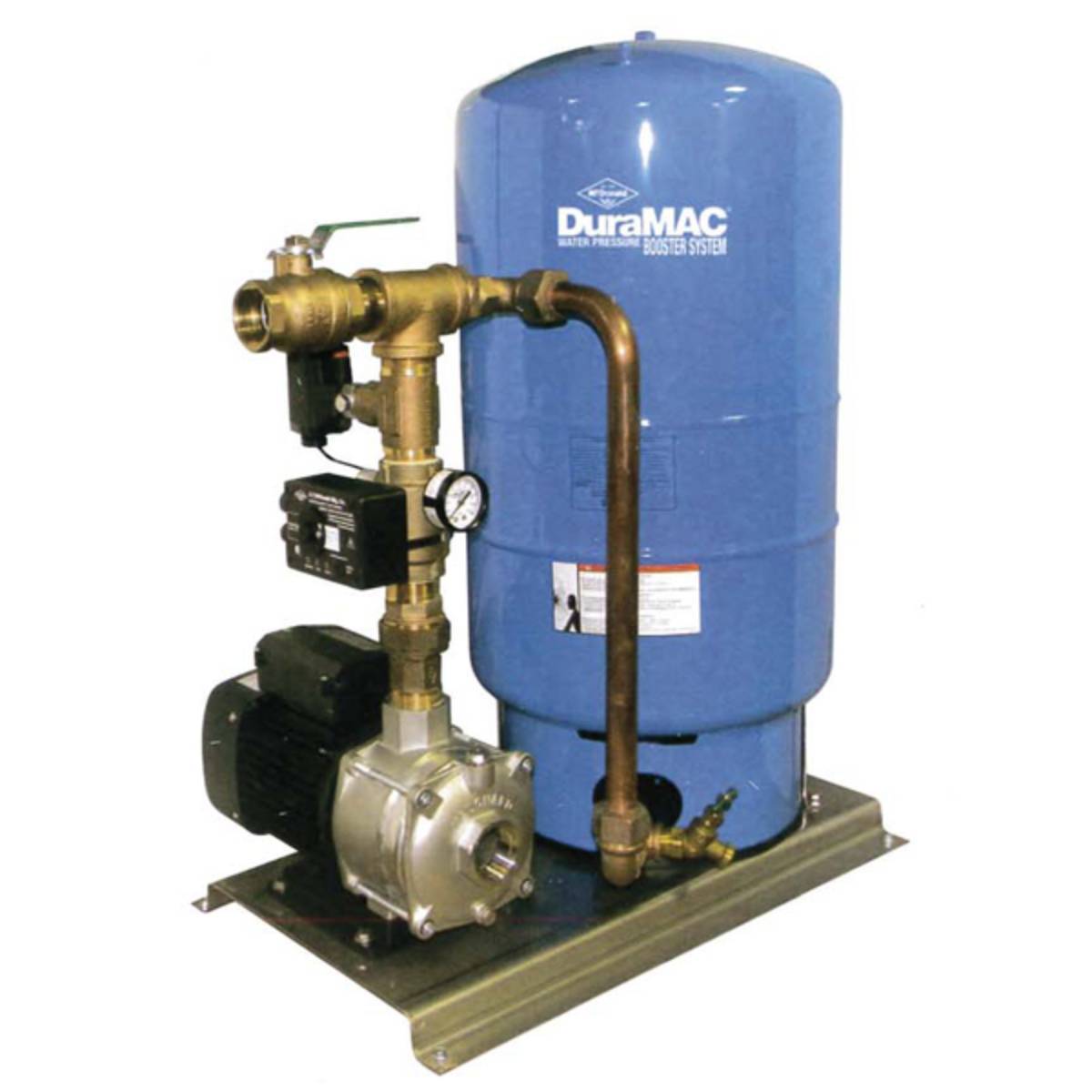
A.Y. McDonald
Booster Pump | Dual-Mode Simplex | Commercial
- Price
- From $6,142.39
Booster Pump | Dual-Mode Modular | Commercial
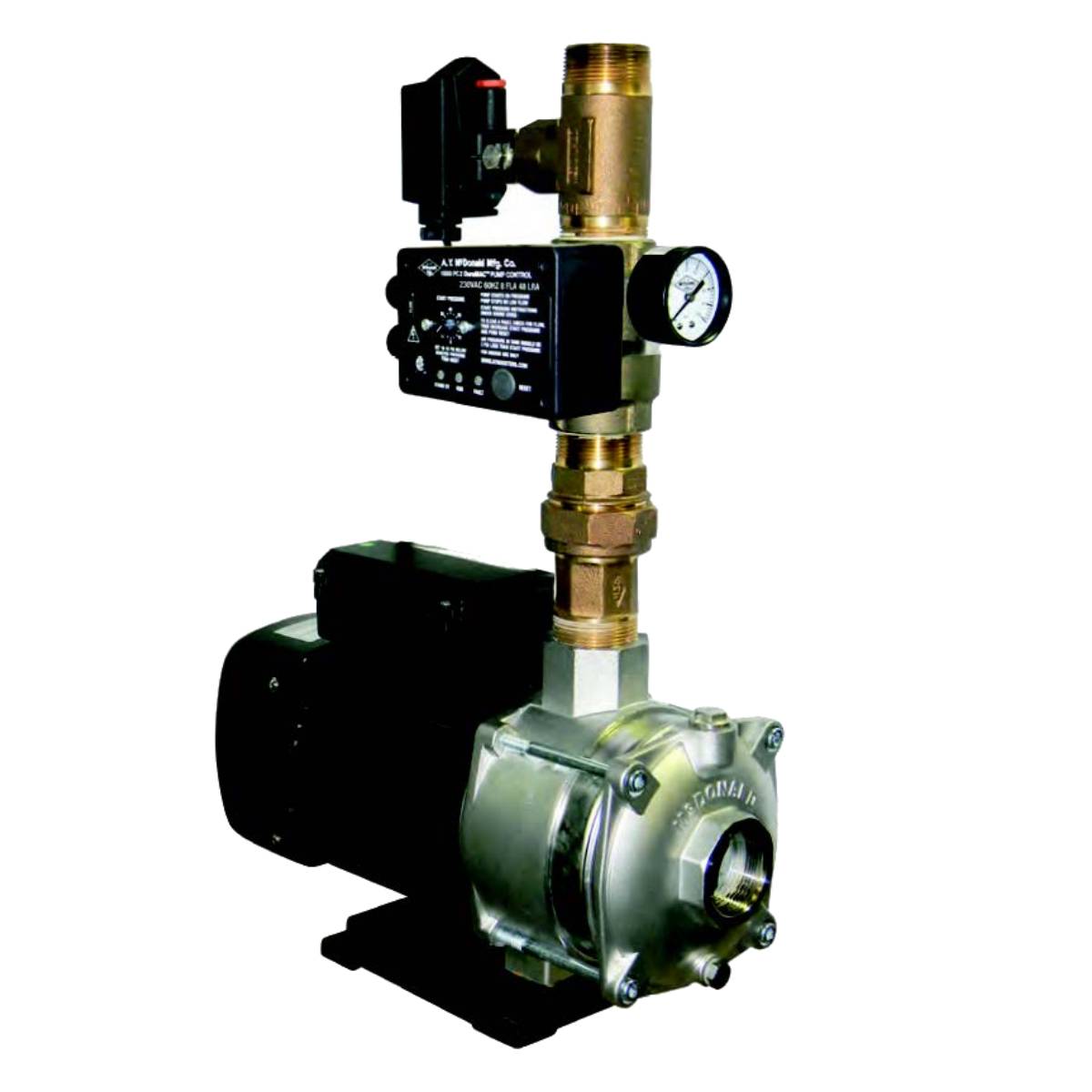
A.Y. McDonald
Booster Pump | Dual-Mode Modular | Commercial
- Price
- From $3,555.79
Davey Torrium 2 - Low Pressure Water Controller


Davey
Davey Torrium 2 - Low Pressure Water Controller
- Price
- $501.60
Davey BIT Cistern Series - Booster Pump


Davey
Davey BIT Cistern Series - Booster Pump
- Price
- From $1,381.20
Davey EvoDrive - Constant Pressure Pump


Davey
Davey EvoDrive - Constant Pressure Pump
- Price
- $1,497.60
Davey DD Series - Constant Pressure Booster


Davey
Davey DD Series - Constant Pressure Booster
- Price
- From $2,510.40

Residential Constant Pressure Booster Pump


A.Y. McDonald
Residential Constant Pressure Booster Pump
- Price
- From $995
Booster Pumps
Description
Authorized Dealer · Baker · A.Y. McDonald · Davey · Xylem
Booster Pumps
For Every Application —
Home to Industrial
Solve low water pressure once and for all. The largest selection of booster pump systems online: Baker DuraMAC for residential, light commercial, and VFD constant-pressure applications; A.Y. McDonald and Davey systems for proven home boosting; Xylem Lowara and Goulds Water Technology available by quote for commercial, industrial, and high-rise.
4 Brands
Multi-Source Inventory
¾–10 HP
Power Range
35–150 PSI
Boost Pressure
Free Sizing
Talk to a Specialist
Brands We Carry
Booster Pumps from Four Trusted Manufacturers
We're an authorized dealer for the most respected names in pressure boosting. Some brands ship same-day from inventory; others ship factory-direct on quote. Either way, you get authentic, warranty-backed equipment with sizing support included.
Find Your Match
Pick Your Application
Boosters are sized to flow demand, pressure boost, and power available. Match the use case below to narrow the right family — then call us at 281.664.8000 for a free system sizing.
🏠 Single-Family Home
Weak showers, slow appliance fill, multi-bath demand. Need 35–70 PSI boost at 10–20 GPM.
→ Baker E-Series · Residential · Davey HM Torrium
🏢 Light Commercial
Restaurants, small offices, medical clinics, irrigation. 25–35 GPM at 40–80 PSI boost.
→ Baker Commercial · Davey HP · Lowara e-HM
🏨 Multi-Unit / Mid-Rise
Hotels, apartment buildings, office mid-rise. Demand > 50 GPM, redundancy required.
→ Baker Dual-Mode · Lowara BGM · Goulds AquaForce
🏗️ High-Rise / Industrial
High-rise residential, hospitals, data centers, manufacturing. 80–420 GPM, VFD required.
→ Baker IQ1000 VFD · Lowara BGM Triplex · Goulds AquaForce
🚜 Agriculture / Irrigation
Field irrigation, livestock, greenhouse. High-flow constant pressure with dry-run protection.
→ Baker Commercial · Goulds e-SH · Lowara e-HM
🔧 Replacement / Retrofit
Existing booster failed? We cross-reference any brand to a current model and ship same-day.
→ Send model number · We do the lookup
Best Seller · The Most Complete Booster Line
Baker DuraMAC — Residential to Industrial
DuraMAC is Watermain Supply's #1 booster line for one reason: a single manufacturer covers everything from a 35 PSI plug-and-play residential E-Series to a 10 HP triplex VFD system delivering 420 GPM. Every model uses 304 stainless impellers, 301 stainless casings, silicon carbide mechanical seals, and no-lead brass connections — all NSF/ANSI/CAN 61 & 372 certified for potable water.
DuraMAC Lineup at a Glance
| Series | Boost (PSI) | Flow (GPM) | Power | Best For |
|---|---|---|---|---|
| E-Series | 35 / 52 | up to 20 | 120V 1Ø | Plug-and-play residential |
| Residential | 35 / 52 / 70 | up to 20 | 120V / 230V 1Ø | Multi-bath homes, smart digital control |
| Commercial | 40 / 62 / 78 | up to 35 | 230V 1Ø | Restaurants, offices, irrigation |
| Dual-Mode | 44 / 60 | up to 70 (S) / 120 (D) | 230V 1Ø, 2 HP | Modular, simplex & duplex commercial |
| Micro VFD | 66 – 140 | 20–80 | 208–230V 1Ø/3Ø | Constant-pressure, energy-saving |
| IQ1000 VFD | 56 – 150 | 80–420 | 208–230V 3Ø, 3–10 HP | High-rise, hotels, hospitals, industrial |
All DuraMAC systems include built-in dry-run protection, automatic restart, transducer monitoring, and TEFC motors. Single-phase = 1Ø, Three-phase = 3Ø, Simplex = S, Duplex = D.
DuraMAC E-Series — The Residential Quick-Fix
The simplest plug-and-play solution for residential low pressure problems. No special wiring, no programming — just plumb it inline, plug it into a standard outlet, and pressure problems are solved. Available in no-lead brass or all stainless steel construction, both NSF/ANSI/CAN 61 & 372 certified.
Boost: 35 or 52 PSIFlow: up to 20 GPMPower: 120V standard outletBody: Brass or 304 SS
When E-Series is the Right Call
Single-bath or 2-bath home with weak shower flow and slow appliance fill. Inlet pressure ≥ 20 PSI but < 60 PSI from city or well. Tenant-grade installation where someone needs a pressure fix without an electrician.
E-Series Specifications
Voltage120V 60Hz 1Ø
Inlet / Outlet1" NPT
Max Inlet Pressure60 PSI
Max Working Temp104°F (40°C)
Pressure TankBuilt-in
Dry-Run ProtectionIncluded ✓
NSF Certified61 & 372 ✓
Body MaterialNo-Lead Brass or 304 SS
DuraMAC Residential — Smart Digital Boost (35 / 52 / 70 PSI)
For demanding multi-bath homes that need higher boost than the E-Series can deliver. Three flagship models — 17035R020PC1 (35 PSI, 120V), 17052R020PC1 (52 PSI, 120V), and 17070R020PC2 (70 PSI, 230V) — featuring digital control with three operating modes, built-in transducer monitoring, two-gallon diaphragm tank, no-lead brass check valve, dry-run protection, and TEFC motors for whisper-quiet operation. Set-and-forget design starts when you open a faucet, stops when flow stops.
17035R020PC1
35 PSI Boost · 120V
Most Popular
▸
Boost: 35 PSI · Flow: up to 20 GPM
▸
Use: Single-family home with mild pressure shortage
▸
Power: 120V standard outlet — no electrician needed
▸
Tank: 2 gal diaphragm pre-charged to 30 PSI
▸
Best when: Inlet pressure 20–35 PSI, want 55–70 PSI at fixture
17052R020PC1
52 PSI Boost · 120V
▸
Boost: 52 PSI · Flow: up to 20 GPM
▸
Use: 3+ bath home, low city pressure, multi-fixture demand
▸
Power: Still 120V — bigger boost, same outlet
▸
Tank: 2 gal diaphragm
▸
Best when: Inlet 15–25 PSI, target 65–75 PSI
17070R020PC2
70 PSI Boost · 230V
▸
Boost: 70 PSI · Flow: up to 20 GPM
▸
Use: Severe low pressure or premium 4+ bath home
▸
Power: 230V — needs dedicated circuit
▸
Tank: 2 gal diaphragm
▸
Best when: Inlet 10–20 PSI, target 75–85 PSI
DuraMAC Commercial — 35 GPM at 40 / 62 / 78 PSI Boost
For light commercial: restaurants, small offices, clinics, retail buildings, irrigation. Three workhorse models — 17040C035PC2, 17062C035PC2, and 17078C035PC2 — all delivering 35 GPM at 40, 62, and 78 PSI of boost respectively on 230V power. Same proven all-stainless pump end and digital control as Residential, scaled up: 304 stainless impellers, 301 stainless casings, silicon carbide mechanical seals.
DuraMAC Dual-Mode — Modular, Simplex & Duplex Up to 120 GPM
Commercial-grade flow with built-in redundancy. Dual-Mode delivers up to 70 GPM in modular and simplex configurations, 120 GPM in duplex. 2 HP TEFC single-phase motors, intelligent dual-mode control that operates in pressure-drop OR flow-sensing mode, stainless steel base, 20-gallon pressure tank on skid-mounted models, paddle switch for precise flow detection. Available in 44 PSI and 60 PSI boost across modular, simplex, and duplex platforms.
Why Dual-Mode for Commercial?
Pressure-drop mode — pump starts when pressure dips below setpoint. Standard for most water service. Flow-sensing mode — pump starts on detected flow regardless of pressure. Required where pressure can't be reliably read (e.g. rooftop tank-fed). Switch between modes on the controller. Duplex configuration provides 100% redundant backup — if one pump fails, the other carries full load while you service the failed unit.
DuraMAC Variable Speed (VFD) — Constant Pressure, Lower Power Bills
The most advanced pressure boosting technology Baker builds. IQ1000 controller with Yaskawa VFD ramps motor speed up and down based on real-time demand — maintaining rock-steady constant pressure while consuming only the energy needed at any given moment. Dramatically lower electricity costs vs. traditional constant-speed systems.
Compact VFD · Single-phase or 3-phase
Micro VFD
1.5 – 3 HP · 20–80 GPM · 66–140 PSI Boost
- ConfigurationSimplex (20–40 GPM) · Duplex (40–80 GPM)
- Boost Pressure66 / 90 / 115 / 140 PSI
- Power208–230V 1Ø & 3Ø
- Inlet / Discharge1¼" NPT
- Discharge TransducerIncluded ✓
- Sleep ModeLow-flow protection ✓
- Auto RestartAfter power loss ✓
- Best ForMid-rise · Light commercial
Industrial VFD · Three-phase
IQ1000 VFD
3 – 10 HP · 80–420 GPM · 56–150 PSI Boost
- ConfigurationSimplex (80–140) · Duplex (160–280) · Triplex (240–420)
- Boost Pressure56 / 80 / 112 / 130 / 150 PSI
- Power208–230V 3Ø
- Manifold2" NPT 304 stainless
- TransducersSuction & Discharge ✓
- Isolation ValvesNo-lead brass ball · Wafer check soft seat
- EnclosureNEMA 1 · Fused disconnect
- Fault LoggingDate & time stamped — every alarm
Why VFD Pays for Itself in 18–36 Months
Constant-speed boosters cycle on/off and run at full power even at low demand. A VFD only consumes the energy needed at any given flow. On a typical 5 HP commercial booster, VFD reduces energy consumption 30–50% — easily $1,500–$4,000/year savings on commercial electric rates. Add longer pump life (no hammering starts) and constant-pressure user experience, and the upfront premium pays back fast.
In Stock · Ships Today
A.Y. McDonald Booster Pumps
A.Y. McDonald has been making waterworks brass and pumps in Dubuque, Iowa since 1856. Their booster pump line emphasizes proven reliability and the rock-solid build quality McDonald is known for in valves, curb stops, and meter setters.
McDonald boosters target the same residential and light commercial market as Baker DuraMAC, with a heritage focus on simplicity and serviceability. Stocked configurations typically include 1/2 HP, 3/4 HP, and 1 HP residential boosters with built-in pressure tanks, plus pressure tank assemblies and replacement parts.
When to Specify A.Y. McDonald
Utility specifications calling for "McDonald or equal" — common on small water districts and rural co-ops. Replacement on existing McDonald installations. Customers who want the McDonald name across their full waterworks package: curb stops, meter setters, service valves, and now pressure boosting too.
HP: ½ – 1 HPVoltage: 115V / 230VTank: Built-inMade in: USA · IowaWarranty: 2-year
A.Y. McDonald — Why Customers Choose Them
★
169 Years of Waterworks
Founded 1856. Same family-owned company. Among the most trusted names in municipal waterworks brass.
★
USA Manufactured
Made in Dubuque, Iowa. Domestic content matters for federal projects, Buy American Act, and utility specs.
★
Standard Replacement Part
Specified on countless small water systems nationwide. Ordering a McDonald replaces a McDonald — clean.
★
Single-Source Waterworks
McDonald provides curb stops, meter setters, service valves, brass fittings, AND pumps from one supplier.
In Stock · Ships Today
Davey Booster Pumps
Davey is an Australian-engineered pump brand with a global reputation for residential pressure boosting — particularly in markets where rainwater harvesting and tank-fed systems are common. Their Torrium intelligent controller is widely considered the smartest residential pump controller on the market.
Davey Booster Families
HM Series — Single-Stage Booster
Compact horizontal centrifugal booster for residential and light commercial. Cast iron or stainless construction. Pairs with Torrium for full set-and-forget operation.
→ Residential standard
HP Series — Horizontal Multistage
Multistage centrifugal for higher pressure boost. 2–6 stages. All stainless wet end. Quiet operation. Workhorse for demanding home and small commercial.
→ High-boost residential
HS Series — High-Pressure Stainless
Premium horizontal multistage all-stainless construction. Higher pressures, longer service life, food-grade options.
→ Premium residential / light commercial
Torrium² Smart Controller
Davey's signature intelligent pump controller. Replaces traditional pressure switch + tank with smart electronic control. Soft-start, dry-run protection, restart logic, fault display.
→ Pair with HM or HP for full system
DT Pre-Built Systems
Davey Torrium bundle: pump + Torrium² controller + ready to install. The cleanest path to a smart booster setup.
→ Easiest install
XF / XJ Centrifugal
Self-priming centrifugal pumps for tank-fed boosting, transfer, and irrigation applications.
→ Tank-fed transfer / irrigation
Why the Torrium² Matters
Traditional residential booster = pump + pressure switch + bladder tank. The pressure switch cycles the pump on/off based on a pressure range (e.g. 40–60 PSI), which means user experiences pressure swings every time the pump cycles. Torrium² eliminates the bladder tank entirely and uses electronic flow + pressure sensing to deliver constant pressure with zero swing — closer to a VFD experience at a fraction of the cost. Built-in dry-run protection automatically restarts after a fault.
Available · Quote Only · Authorized Xylem Dealer
Lowara & Goulds Water Technology
Watermain Supply is an authorized Xylem dealer with full access to the Lowara and Goulds Water Technology booster portfolio. These commercial and industrial pumps are NOT currently listed online — but we'll quote any model in the catalog and ship factory-direct or from regional Xylem stock. Best fit: high-rise residential, hotels, hospitals, data centers, manufacturing, large irrigation, municipal pressure stations.
Lowara — Italian-Engineered Stainless Multistage
e-HM Series
Horizontal multistage stainless boosters, 0.5–5.5 HP, 3–22 stages. The European standard for high-pressure multistage. Premium efficiency motors. Up to ~60 GPM single-pump.
→ Commercial single-pump booster
e-SV Series
Vertical multistage stainless. Compact footprint for plant rooms. High-pressure capability. The workhorse for packaged commercial booster sets.
→ Vertical multistage premium
BGM Twin Pump Boosters
Pre-engineered twin and triple pump booster sets with Hydrovar VFD controls. Up to ~265 GPM. Common spec for hotels, apartment buildings, healthcare.
→ Mid/high-rise packaged sets
GHM Twin / GHV Hydrovar Sets
Larger packaged booster systems with twin or triplex e-HM/e-SV pumps and Hydrovar variable speed control. Engineered, factory-tested, drop-in solutions.
→ Engineered packages
Goulds Water Technology — American Industrial Heritage
AquaForce — Constant Pressure VFD
Residential and light commercial constant-pressure VFD system. Very popular for high-end homes that want commercial-grade smooth pressure. ½–5 HP simplex configurations.
→ Premium residential VFD
AquaBoost II
Pre-packaged constant-pressure booster system. Plug-and-play with controller, transducer, and pre-charged tank included. 1 HP and 1.5 HP options.
→ Plug-and-play commercial
e-SH End-Suction Centrifugal
Heavy-duty close-coupled and frame-mounted end-suction pumps. Up to 1,200 GPM. Standard for HVAC, irrigation, and large transfer applications.
→ High-flow industrial
HSC / HSCF / HSCS Boosters
Goulds residential through commercial booster lineup. Single-stage and multistage configurations from ½ HP through 7.5 HP.
→ Full Goulds booster range
How to Quote a Lowara or Goulds System
Email sales@watermainsupply.com or call 281.664.8000 with: (1) Required flow (GPM); (2) Required boost (PSI) or final discharge pressure; (3) Available power (120/230V 1Ø, 230/460V 3Ø); (4) Application type (high-rise, hospital, irrigation, etc.); (5) Any spec sheet or engineer's submittal. We respond same business day with model recommendations, pricing, lead time, and a sized package quote.
Technical Reference
Booster Pump Sizing Guide
Most undersized booster failures trace to one mistake: sizing to "felt" demand instead of measured demand. Use these three methods to specify the right booster the first time.
Step 1 — Calculate Required Flow (GPM)
Rule-of-Thumb Method
3.5–5 GPM per home for residential. 2 GPM per fixture unit for commercial. Useful as a first-cut sanity check, but conservative. Always validate against fixture-unit method below.
→ Quick estimate
Hunter's Curve / Fixture Unit Method
Sum the WSFU (water supply fixture units) for all fixtures, then read GPM off Hunter's Curve. Industry standard for residential and small commercial. Account for simultaneous-use probability — fixtures don't all run at once.
→ Most accurate residential
AWWA M22 Method
For multi-family, hotels, hospitals, and large commercial. AWWA M22 manual provides demand curves accounting for occupancy patterns and peak vs average demand. Required spec on most municipal projects.
→ Commercial & institutional
⚠ Customer Estimates Are Almost Always Low
"I have a 4-bath house, I think I need 8 GPM" — actual peak demand for a 4-bath home is typically 12–18 GPM when shower + dishwasher + washing machine + irrigation can run together. When in doubt, size up. An oversized booster runs occasionally; an undersized booster runs constantly and burns out.
Step 2 — Calculate Required Boost (PSI)
Boost = Target Pressure − Inlet Pressure + Friction Losses + Elevation
| Component | Typical Value | Notes |
|---|---|---|
| Target pressure at fixture | 50–60 PSI | 60 PSI is standard residential code minimum |
| Friction loss in piping | 3–10 PSI | Long runs & ¾" copper add up — measure pipe length |
| Elevation lift (each floor) | ~5 PSI / 10 ft | 0.433 PSI per foot of vertical lift |
| Inlet pressure at meter | Measure with gauge | Don't trust the city's stated pressure — verify on-site |
| Example: Inlet 25 PSI, target 60 PSI at 2nd floor (10 ft up), 5 PSI piping loss → Boost = 60 − 25 + 5 + 5 = 45 PSI minimum → Specify 52 PSI Residential | ||
Step 3 — Match HP, Voltage, and Configuration
Need flow > 35 GPM? Skip 120V — go 230VBoost > 80 PSI? Multistage requiredNeed redundancy? Specify duplexVariable demand? VFD pays back fastSuction pressure unstable? Inlet PRV at 40–50 PSI
VFD & Inlet PRV — Setpoint Strategy
VFD systems handle pressure regulation downstream — outlet PRV is generally NOT needed since the VFD itself controls discharge pressure. Inlet PRV is recommended when supply pressure swings exceed ~30–40 PSI, set at 40–50 PSI to stabilize suction head. This protects the pump from cavitation during high-supply periods and ensures the VFD's NPSH calculations stay valid.
Why It Matters
VFD vs Constant Speed — Which One?
A common engineering question. The right answer is "VFD almost always" for any booster running more than a few hours a day — but the upfront math has to make sense. Here's the side-by-side.
Lower Upfront · Higher Operating Cost
Constant Speed
Single-speed pump + pressure switch + tank
- Upfront CostLowest
- Energy UseFull power on every cycle
- Pressure StabilityCycles between cut-in & cut-out
- Pump LifeHammered by frequent starts
- Sizing MarginMust oversize for peak demand
- Best ForLight/intermittent residential, low budget
- ExamplesBaker E-Series, McDonald, Davey HM
Higher Upfront · Pays Back · Best UX
Variable Speed
VFD-driven multistage with constant pressure
- Upfront CostPremium (15–40% more)
- Energy Use30–50% less than constant-speed
- Pressure StabilityRock-steady setpoint ±2 PSI
- Pump LifeSoft-start eliminates hammering
- Sizing MarginSelf-adjusts to load
- Best ForCommercial, high-rise, premium residential
- ExamplesBaker Micro VFD & IQ1000, Goulds AquaForce, Lowara BGM
Quick Payback Math
5 HP commercial booster running 8 hrs/day at $0.12/kWh: Constant-speed ≈ $1,750/year electricity. VFD at 60% average load ≈ $1,050/year. Annual savings ≈ $700. With ~$2,500 upfront premium for the VFD, payback ≈ 3.5 years. On 24-hr commercial loads, payback drops to under 18 months.
Service & Replacement
Booster Repair Parts — Same Day Shipping
When a booster fails, the customer wants the system back online today, not next week. We stock the complete DuraMAC repair parts catalog plus common Davey, Goulds, and Lowara service kits.
Control Boxes & Transducers
DuraMAC digital control boxes, IQ1000 controllers, suction & discharge transducers, pressure sensors. Most failed boosters need a controller before they need a pump.
→ Most common failure
Mechanical Seal Kits
Silicon carbide and carbon mechanical seal replacement kits for DuraMAC, Davey, Lowara, and Goulds pumps. Match by pump model and seal series.
→ Wear-and-tear replacement
Pump Ends & TEFC Motors
Complete pump end assemblies and TEFC motor replacements when the wet end or motor has failed but the controller is healthy. Direct factory replacements.
→ Hardware failure
Yaskawa VFDs
Direct Yaskawa drive replacements for IQ1000 and Micro VFD systems. Drive failures are uncommon but happen — having the exact replacement on hand cuts downtime to hours.
→ Drive replacement
Tee Assemblies & Tanks
Tee assemblies, 2-gallon and 20-gallon diaphragm pressure tanks, tank tee fittings, pre-charge gauges. The tank fails more often than the pump on residential boosters.
→ Pressure regulation
Valves, Gauges, Flanges
No-lead brass ball valves, wafer check valves with soft seat, liquid-filled pressure gauges, 304 stainless flanges, paddle switches, fused disconnects.
→ Trim & controls
Don't Know the Part Number? Send a Photo.
Text or email a photo of the existing booster nameplate, controller label, or failed component to sales@watermainsupply.com. We cross-reference any DuraMAC, Davey, Goulds, or Lowara part number same-day. 281.664.8000.
Technical FAQ
Common Questions
How do I know what size booster pump I need?
You need three numbers: (1) Required flow in GPM (use Hunter's Curve fixture-unit method, or 3.5–5 GPM/home rule of thumb); (2) Inlet pressure measured at the meter with a gauge (don't trust city-stated pressure); (3) Target pressure at the highest fixture, accounting for elevation (~5 PSI per 10 ft of lift) and friction losses. Subtract inlet from target + elevation + friction = required boost PSI. Call 281.664.8000 with these three numbers and we'll size it free.
What's the difference between Baker DuraMAC E-Series and Residential?
E-Series is the simplest plug-and-play unit — 120V, 1" NPT, no special wiring or programming. Residential adds smart digital control with three operating modes, a 2-gallon diaphragm tank, transducer monitoring, and TEFC motors for quieter operation. E-Series is for "I just want pressure"; Residential is for "I want pressure with a quality control system." Both are 304 SS internals and NSF-certified.
When should I buy a VFD booster instead of a constant-speed?
Buy VFD when: (1) the booster will run more than 4 hours/day; (2) you want constant pressure with no cycling; (3) the building is multi-floor or has variable demand; (4) you have a 3-phase power supply for higher HP. Skip VFD only when the booster is for an intermittent residential application where upfront cost matters more than long-term electricity savings.
Can I install a Baker DuraMAC residential booster myself?
Yes — DuraMAC residential models are designed for plumber-friendly installation. The 120V models (17035 and 17052 series) plug into a standard outlet. The 230V model (17070) requires a dedicated circuit and should be wired by an electrician. All units come with installation instructions; if you're doing your own plumbing work, you should be comfortable with NPT threading, pipe dope or PTFE tape, and basic shutoff/check valve sequencing on the suction side.
My pump is short-cycling. What's wrong?
Short-cycling (pump turning on and off rapidly) is almost always one of three issues: (1) Waterlogged pressure tank — the bladder has lost pre-charge, drain the tank and re-pressurize the air side to 2 PSI below cut-in setting; (2) Failed check valve — water is bleeding back through the system, replace the check valve; (3) Pressure switch differential too narrow — a wider cut-in/cut-out range gives the tank time to drawdown. If the booster is a VFD model and short-cycling, the discharge transducer is likely failing.
Are these boosters NSF certified for drinking water?
All Baker DuraMAC E-Series, Residential, Commercial, Dual-Mode, and VFD systems are NSF/ANSI/CAN 61 and 372 certified for safe potable water contact and lead-free compliance. Lowara e-HM and Goulds AquaForce/AquaBoost are also NSF-61 certified. Davey HM/HP series is internationally certified — check the specific model nameplate for current US certifications. A.Y. McDonald boosters are USA-made and NSF-certified.
Do I need a pressure tank with a VFD booster?
A small diaphragm tank (typically 2–5 gallons) is still recommended on most VFD boosters to absorb micro-flow demand and prevent the VFD from waking up for every dripping faucet. The IQ1000 series has built-in low-flow sleep logic that handles this electronically — but a small tank still smooths the system. For residential VFDs like Goulds AquaForce, the small tank is usually included. For larger commercial/industrial VFDs, the tank is sized to the application by your engineer.
What's the warranty on these boosters?
Baker DuraMAC: 2-year warranty on E-Series and Residential, 3-year on Commercial and Dual-Mode, 3-year on VFD systems (with extended option). A.Y. McDonald: 2-year. Davey: 2-year on HM/HP, 3-year on Torrium² controller. Lowara & Goulds: typically 1-year standard, with extended warranty options for commercial/industrial applications. We register the warranty with the factory at the time of shipment so you're covered without extra paperwork.
How fast can you ship a booster?
Stocked Baker DuraMAC residential and E-Series models ship same business day if ordered before 2 PM CT. Davey and A.Y. McDonald residential boosters ship same-day to next-business-day. Commercial Baker (Dual-Mode, VFD) typically ships within 1–3 business days. Lowara and Goulds quoted systems ship factory-direct in 1–3 weeks depending on configuration. We always confirm exact ship time at quote.
Why are the Lowara and Goulds prices not showing on the website?
Xylem brand pricing for Lowara and Goulds Water Technology commercial/industrial products requires authorized-dealer quotes. Configurations vary widely (HP, voltage, controls, accessories) and pricing is application-specific. We're a fully authorized Xylem dealer — call 281.664.8000 or email sales@watermainsupply.com with your specs and we'll quote same-day. Baker, A.Y. McDonald, and Davey pricing IS published online for transparent residential and light-commercial shopping.
Do you offer system sizing help?
Yes — free sizing on every quote. Email or call with: required flow (GPM or fixture count), inlet pressure (measured at meter), target pressure, building height, available power (120V / 230V 1Ø / 230V 3Ø / 460V 3Ø), and any unique conditions (well water, rainwater tank, irrigation demand). We respond within the same business day with model recommendations, alternatives, and a complete package quote.
Are you an authorized dealer for these brands?
Yes — Watermain Supply (DBA of E4 Industrial LLC) is an authorized dealer for Baker Water Systems (DuraMAC), A.Y. McDonald, Davey, and Xylem (Lowara & Goulds Water Technology). All products ship factory-direct or from Houston stock with full manufacturer warranty.
Need a Quote or Sizing Help?
Free system sizing with every quote. Same-day response on stocked Baker, McDonald, and Davey. Same-day quotes on Lowara and Goulds.
sales@watermainsupply.com
281.664.8000Free Sizing & Technical Support
sales@watermainsupply.comSame-Day Quote Response
Authorized DealerBaker · A.Y. McDonald · Davey · Xylem
- Choosing a selection results in a full page refresh.